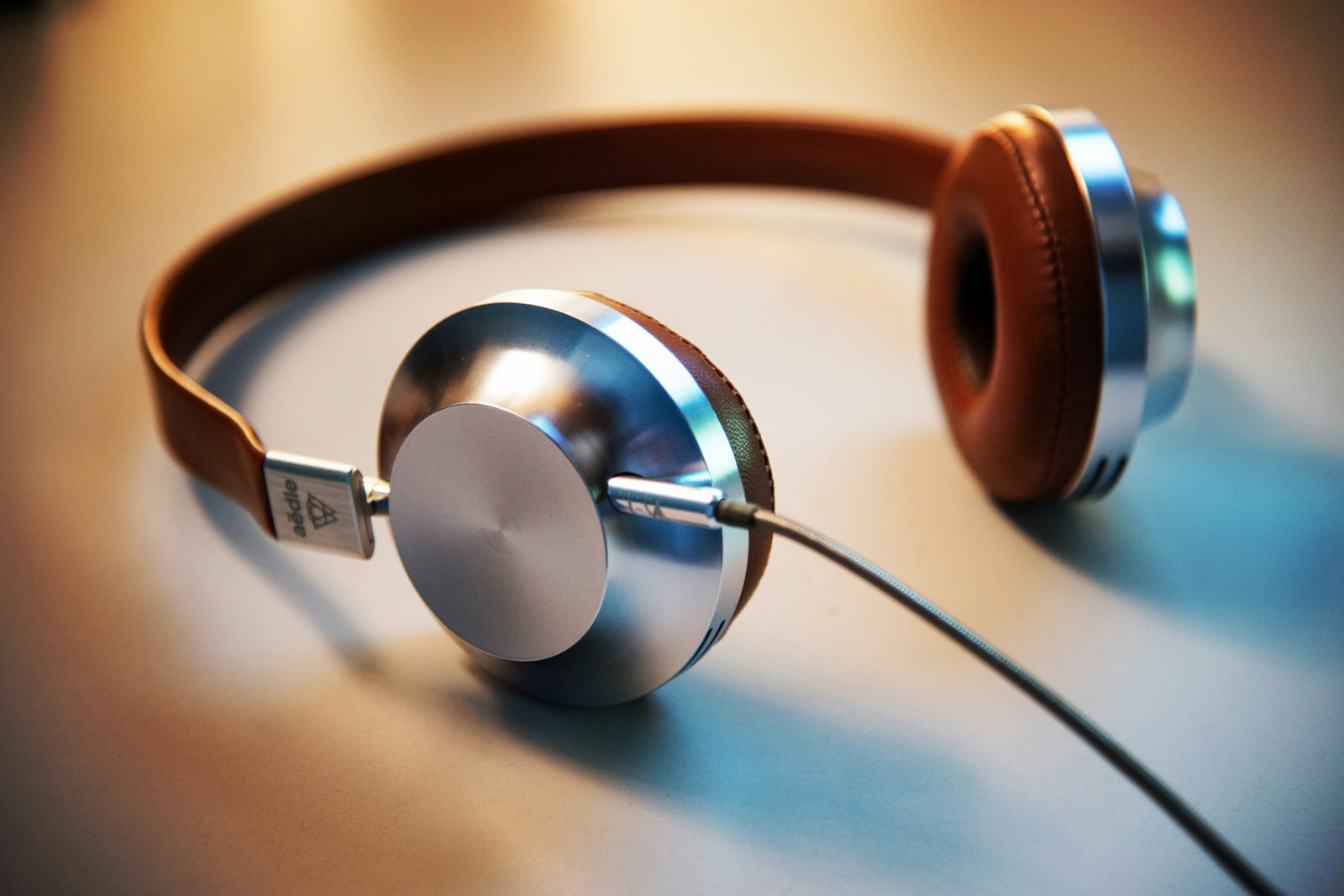
OEM and compatible
OEM ear pads are the factory part. Compatible, or aftermarket, pads are another maker for the same cup. They differ in price, material, how exact the fit is, construction, and sound. OEM is not always better. The maker and the model decide. Choose by the mount and the build you want.
OEM is the brand's own replacement. Compatible pads copy the mount and may change foam, cover, or thickness. Judge both by fit on your cup, material, and sound. A logo does not guarantee the better pad, and a cheap compatible pad can miss the ring.
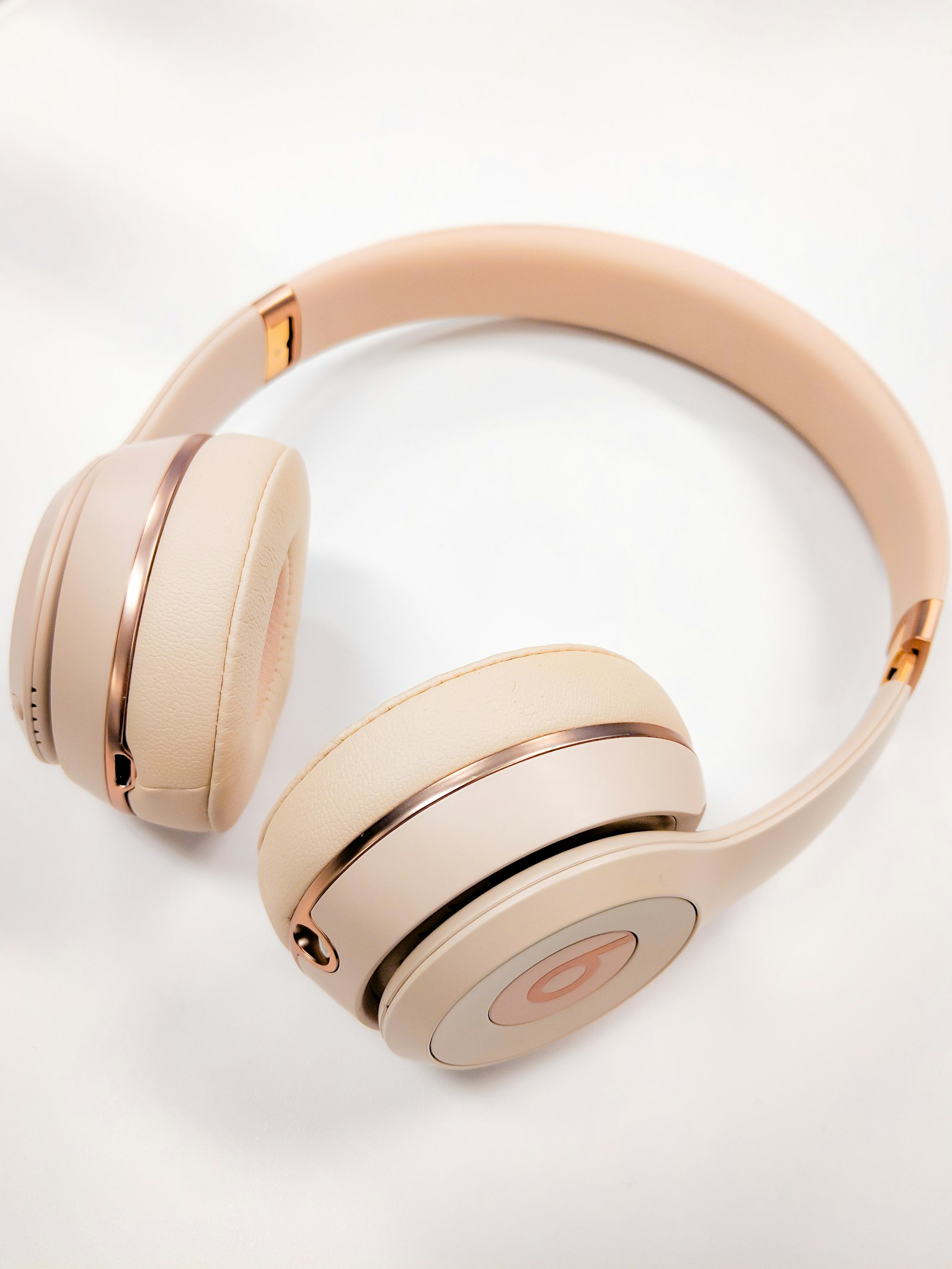
Compare price only after the mount matches. A low price on the wrong diameter is not a saving. A higher OEM price is not proof of a better foam. A Beyerdynamic factory cushion and a compatible pad are compared only after that ring matches.
OEM and aftermarket ear pads, and genuine vs compatible ear pads, are compared only after that match. OEM or compatible ear pad parts with the wrong ring are not a deal. OEM vs aftermarket ear pads, compatible ear pads, and genuine replacement ear pads can all be the wrong size.
OEM and compatible ear pads compared by price and material still start with the mount. Compare genuine vs compatible ear pads in leather velour and protein leather when a cover name is shared and the foam differs. OEM or compatible ear pads chosen by material and sound come after the ring. Judge genuine ear pads vs compatible pads of the same build, because they can still differ. Leave genuine vs compatible ear pads with different foam density unranked. This page does not print a price.
OEM
Compatible
Both OEM and compatible pads come in leather, velour, and protein leather. Read the cover and the foam, not the badge. Two protein leather pads can still differ in thickness and density. The same reading covers other headphone brands when the model is outside the major lines, and a shared cover name is still its own mount.
The factory part is one material choice for that model. You buy genuine ear pads when you want that cover, and treat genuine replacement ear pads as the factory leather, velour, or protein leather, not as a guarantee of denser foam.
You buy compatible ear pads for the cover you want, as aftermarket pads instead of OEM. Compatible ear pads can be leather, velour, or protein leather too. OEM vs aftermarket ear pads and genuine vs compatible ear pads are not decided by the badge.
Genuine vs compatible ear pads in leather velour and protein leather still need a thickness check. OEM and compatible ear pads compared by price and material come after the mount. Genuine vs compatible ear pads with different foam density can share a cover name. OEM or compatible ear pads chosen by material and sound are a later choice. Compatible ear pads if thickness and diameter match the cup are the ones worth reading.
The ring diameter, the thickness, and the clip have to match the cup. Genuine pads are the factory geometry when you want that exact fit. An AKG pad is that kind of match: the ring for the AKG model you own, whether the pair is factory or compatible.
Genuine replacement ear pads are that geometry. Choose genuine ear pads if you want the factory fit on the cup. That is the OEM side of OEM or compatible ear pad parts. OEM and compatible ear pads with the same ring mount can both be right. Genuine vs compatible ear pads is not settled by a logo.
Compatible pads are a good buy when thickness, diameter, and the clip match. They are a bad buy when only the photo looks similar.
A compatible ear pad replacement works as compatible ear pads if thickness and diameter match the cup. Prefer aftermarket pads instead of OEM with the exact ring diameter as the safe version. OEM vs aftermarket ear pads still hinges on that ring. That is a compatible ear pad replacement when the pad maker matters, and you know who cut the pad.
Stitching, foam density, and who made the pad change how it wears and how it sounds. On the factory side, the maker is the headphone brand's own replacement.
Genuine vs compatible ear pads of the same outer size can still be built differently. Genuine replacement ear pads keep the factory stitch and foam. Genuine ear pads vs compatible pads of the same build is a real comparison only when you can see both. Genuine vs compatible ear pads with different foam density will not wear the same.
The maker matters on compatible pads. A no-name pad with the right diameter can still use weak foam. Aftermarket pads instead of OEM need a named maker.
Buy compatible ear pads from a maker you can name. OEM vs aftermarket ear pads and compatible ear pads are a construction choice, not a badge. Compatible ear pad replacement when the pad maker matters is the check. OEM and compatible ear pads with the same ring mount can still differ in foam. OEM or compatible ear pads chosen by material and sound come after you trust the build.
Different foam density and thickness change the seal and the space in front of the driver. Choose by that, not by a rule that OEM always sounds right.
Buy genuine ear pads when you want the factory density. Genuine replacement ear pads set one seal and one space. Genuine vs compatible ear pads can both be called leather and still sound apart. Genuine ear pads vs compatible pads of the same build may be close. Genuine vs compatible ear pads with different foam density will not be.
Aftermarket does not always sound worse. A thicker or softer pad changes the seal, and that change can be what you wanted.
OEM or compatible ear pad parts are chosen by material and sound when you can describe the foam. OEM or compatible ear pads chosen by material and sound follow the seal you want. A compatible ear pad replacement with another density is a tone choice. OEM vs aftermarket ear pads and compatible ear pads are not a ranking. Aftermarket pads instead of OEM with the exact ring diameter can still sound different. OEM and compatible ear pads compared by price and material do not tell you the tone by themselves.
The model decides the pad, ahead of the logo on the box. JBL, Sennheiser, and Audio-Technica each sell more than one mount. OEM and compatible are both fine when the listing names that model. A pad for a different model in the same brand is a different part.
Choose OEM when you want the factory fit and will pay for it. Choose compatible when thickness, diameter, and the ring match and you prefer that material or price. Reject either one if the mount is vague.
A product link is published only after fit and catalog are confirmed.
OEM is the factory replacement. Compatible pads are another maker on the same style of cup. Fit, foam, cover, and price can all differ.
No. The maker and the model matter. A well-matched compatible pad can be the better buy. A sloppy one is not.
When thickness, diameter, and the ring or clip match the cup, and you know who made the pad.
When you want the factory geometry on the cup and the listing is actually that part.
Yes. Foam density and thickness change seal and tone even when both are called leather.
A rule that the logo decides quality, and any price comparison that skips the mount.